

Wedding Scarf: How to Match and Wear?
Effortless elegance is when your scarf complements your dress, the venue, and your personal coloring. In this guide, you'll learn how to choose the right material, get the measurements right,...
Effortless elegance is when your scarf complements your dress, the venue, and your personal coloring. In this guide, you'll learn how to choose the right material, get the measurements right,...
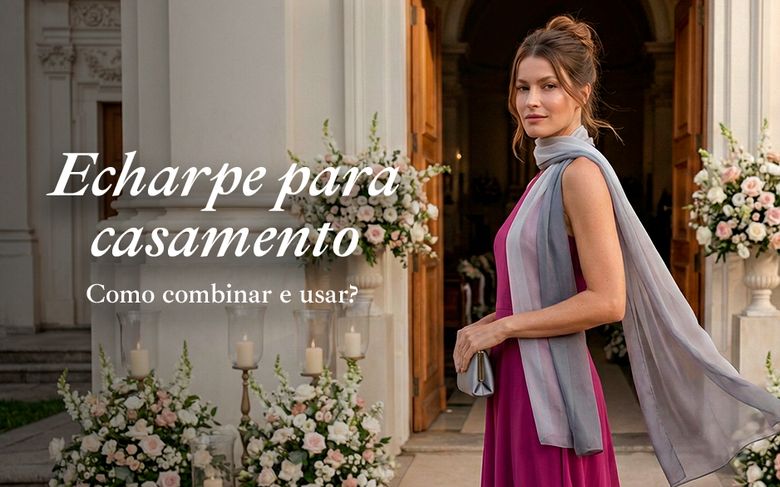
Effortless elegance is when your scarf complements your dress, the venue, and your personal coloring. In this guide, you'll learn how to choose the right material, get the measurements right, define the ideal palette, and tie it in a way that flatters your silhouette. The result is a harmonious, sophisticated, and comfortable party look from beginning to end of the event.
Silk has a subtle sheen, an impeccable drape, and a lightness that follows the body's movement. It works very well in formal settings and complements plain or lightly embroidered dresses without competing. If the goal is to elevate your look with timeless sophistication, explore the curation of silk scarves from Scarf Me.
Satin provides elegant polish and a more pronounced light reflection, ideal for evening wear. It creates a glamorous effect when the dress is opaque and needs a controlled touch of sparkle. Opt for delicate finishes at the hem to maintain lightness and avoid unnecessary added bulk.
Light, translucent, and ethereal, chiffon is perfect for daytime weddings, outdoor ceremonies, and minimalist civil ceremonies. It softens prints and illuminates neutral tones with delicacy. When the idea is to wear a subtle layer that doesn't weigh down the look, chiffon naturally fulfills this role.
When the temperature drops, cashmere warms without losing elegance or proportion. It creates a sophisticated frame over party dresses and works well in churches, enclosed spaces, and winter ceremonies. Choose fine weaves and a soft touch to embrace the body with comfort and lightness.
Finding the balance between width and length ensures versatility for draping, a gentle wrap, or a side knot. Shorter individuals often benefit from medium widths to avoid shortening the silhouette. Taller individuals, above 1.70 m (5'7"), can carry longer lengths, provided the fabric is fluid so as not to add visual weight.
Voluminous dresses call for thin scarves that follow the body's lines without creating extra thickness. If the dress is minimalist, a scarf with more presence — whether through texture, controlled shine, or color — can become the focal point. The important thing is that the piece complements, and does not compete for attention with, the main outfit.
When the intention is to cover shoulders or décolletage in religious ceremonies, prefer measurements that allow two light wraps without tightening. In informal settings, a looser fit usually works better. Always test in front of a mirror how the fabric behaves with movement and adjust the ends to create verticality.
Color palette by personal coloring
Cool palettes (Winter/Summer): Tones like silver, navy blue, grape, and cool pink naturally enhance cool skin tones. These colors deepen the evening look without being heavy and pair well with silver metals. If the dress already has high saturation, choose a plain scarf in one of these shades to harmonize the ensemble.
Warm palettes (Autumn/Spring): Soft gold, champagne, peachy nude, terracotta, and olive create warmth and delicate luminosity. With romantic dresses and opaque fabrics, they act as an elegant filter that warms up the look. Combine with gold metals and warm-toned makeup to maintain coherence.
Elegant neutrals: Off-white, soft gray, nude rosé, and deep black are versatile choices that cross dress codes. For evening weddings, black silk offers sophisticated contrast; by day, nudes and off-white brighten without competing. If the dress is printed, choose a neutral present in the print to complete the look.
Civil wedding (daytime): A civil wedding calls for freshness, simplicity, and impeccable finishing. Light materials, such as fine silk and chiffon, in light or discreet pastel colors, accompany the daylight softly. If the dress is minimalist, the scarf serves as a functional layer for warmth and a subtle style statement.
Afternoon / outdoor: In gardens and open spaces, natural light enhances medium colors, delicate florals, and transparencies. If the dress is printed, look for a bridge color in the palette for the scarf, preferably plain. This integrates the ensemble and avoids visual clutter, keeping the focus on the drape and movement.
Evening / black-tie: At night, depth and controlled shine are safe allies. Navy blue, wine, and black in silk or satin create a polished, cinematic effect without competing with the dress's embellishments. Opt for smoother textures and clean ties to let the embroidery or cut shine.
Draped over the shoulders: Distribute the scarf over your shoulders, letting the ends hang in front to create verticality. Gently pull the edges for a soft drape, respecting the neckline's design. This effect elongates the silhouette and provides thermal comfort without concealing the dress's cut.
Elegant side knot: Bring the ends to one side and make a low, loose knot, adjusting the tension according to the fabric. This tie preserves movement and avoids bulk in the bust area, enhancing necklaces and earrings. It works especially well with silks and chiffons due to the knot's fluidity.
Stole style: Open the piece over your shoulders and join the ends with a discreet brooch or an internal twist. The stole creates presence and structure, great for formal and religious settings. If it's cold, combine it with fine cashmere to warm up without adding excessive bulk to the silhouette.
On the bag or in the hair: For photos and moments of movement, use the scarf as a decorative clutch strap or as a hairband. It's a styling trick that adds texture and color to the frame. Return to the traditional drape when entering the ceremony for a more composed look.
Shine competing with the dress: When the dress has embroidery, sequins, or embellishments, excessive shine on the scarf creates clutter. Opt for silks with a subtle sheen or opaque fabrics that merely accompany, without vying for attention. This maintains visual hierarchy and elegance in the ensemble.
Volume that widens the silhouette: Very thick fabrics or high knots in the center of the décolletage can widen shoulders and bust. Prefer side ties and thin fabrics that outline the body in vertical lines. The goal is to frame, not to add visual weight.
Uncoordinated contrast: A scarf in a random tone can cut the look in half. Try to repeat a color from the dress, accessory, or metal in your jewelry mix to integrate the palette. If in doubt, choose an elegant neutral present in the ensemble.
Washing and maintenance: Respect the material's instructions to preserve its feel and structure. Silk, satin, and chiffon require cold water and mild soap, without wringing; cashmere prefers hand washing and flat drying. Proper care ensures longevity and controlled shine.
Ironing and travel: Use low heat, a protective cloth, and light movements to avoid iron marks. For transport, roll the piece in a soft fabric and place it in your suitcase on top of your clothes. This way, you arrive at the event with your scarf ready to make an appearance.
Storage: Store folded broadly, in a ventilated place away from direct light to prevent yellowing. Breathable fabric bags help keep the piece protected without trapping moisture. Avoid thin hangers, which can mark the edges over time.
For evening outfits with plain dresses, the fluidity of silk scarves provides just the right amount of polish. For civil and daytime ceremonies, the selection of scarves offers lightness and delicate transparency. In cold climates, the sophisticated comfort of cashmere completes the look without excessive bulk, and pashminas ensure versatility throughout the party.
The best scarf is one that balances material, color, and proportion with your dress and the environment. Silk and satin elevate evening looks; chiffon brightens daytime outfits; cashmere warms elegantly in winter. Think of the scarf as a frame: it should enhance, not compete.
Use your personal coloring as a guide and look for a bridge color present in your outfit. Cool skin tones benefit from silver, navy blue, and cool pink; warm skin tones shine with soft gold, champagne, and terracotta. If the dress is printed, choose a shade from the print to integrate everything.
For comfortable draping, medium widths and lengths that allow two light wraps usually work. Taller individuals can carry longer lengths, provided the fabric is fluid. The goal is to create vertical lines and movement, without adding bulk.
Prefer an open drape or a low side knot, which lengthen and keep the décolletage clear. Avoid high centralized knots, which concentrate volume in the wrong place. Adjust the fabric tension until you find a balance between security and lightness.
Yes, and it works very well. A civil wedding calls for lightness, so fine silks and chiffons in soft colors accompany daylight. Combine with discreet accessories and a delicate hem finish to maintain the minimalist feel.
Both are elegant; the difference lies in the effect. Silk has a subtle sheen and natural drape, ideal for timeless sophistication. Satin delivers a more pronounced polish, great for evening and formal settings. Choose what best complements your dress.
Select options