

How to Tell if a Scarf Is Real Silk: Identifying Characteristics
Natural silk scarves are one of the most exclusive fashion items, but it's common to find imitations on the market. In this text, learn how to identify original models.
Natural silk scarves are one of the most exclusive fashion items, but it's common to find imitations on the market. In this text, learn how to identify original models.
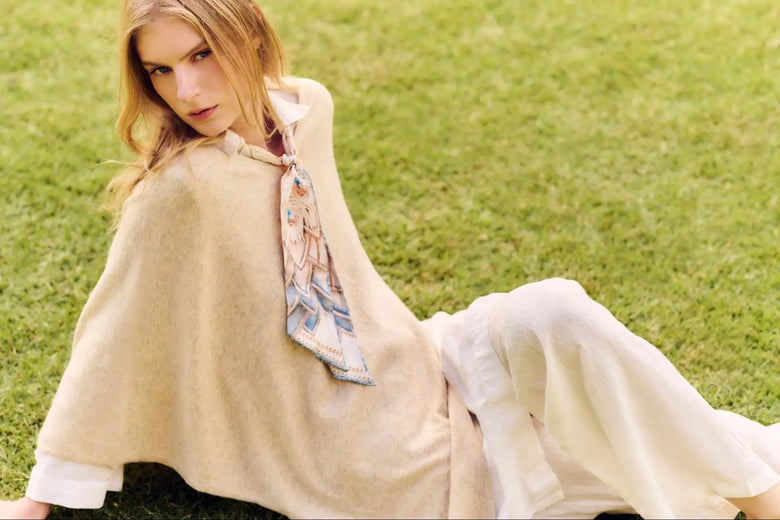
When investing in a luxury accessory, one of the biggest concerns is ensuring that you are acquiring genuine material. Identifying real silk requires attention to details that only natural fibers can provide to the eye and touch. Differentiating noble fabrics from synthetic materials is an exercise in perceiving the quality of the finish and the purity of the raw material used in the piece.
Natural silk has unique sensory characteristics, such as breathability that maintains thermal comfort in any season of the year. While synthetic fabrics tend to retain heat and have a stiffer texture, premium silk adapts smoothly to the body's contours.
Observing the fluid drape and delicacy of the fabric is the first step to recognizing an original silk scarf and avoiding disappointment.

The silk scarf is considered a true symbol of sophistication and heritage in the fashion world. The piece spans generations, maintaining its status as an indispensable item in the wardrobe of women who prioritize elegance and real value. The nobility of pure silk provides a discreet sheen and durability that justifies the investment in accessories that never go out of style.
In 2026, we observe a strong trend resurfacing, where the scarf becomes the protagonist of versatile and modern looks. Whether in classic ties or more casual proposals, the ease of adapting the piece to different styles reinforces its position as a noble fabric. The search for authentic materials reflects the desire for more conscious, durable, and extremely sophisticated fashion.
The big difference between natural silk and polyester lies in the origin of the fiber, with silk being a natural protein produced by delicate biological processes. Polyester, on the other hand, is a synthetic material derived from petroleum, which attempts to visually mimic silk but fails to deliver its functional properties.
Understanding this distinction is fundamental for those seeking the thermal comfort and softness that only premium silk offers.
Opting for pure silk guarantees excellent durability, as natural fibers are resistant and maintain their integrity for decades if well cared for. Original silk fabric has natural elasticity that prevents permanent deformation, something common in synthetic fabrics after a few washes.
Investing in an authentic material is a way to ensure that the piece will maintain its new appearance, preserving its original luster and softness.

There are technical and sensory steps that help confirm whether you are looking at natural silk or a synthetic imitation; check some of them below:
A noble fabric reveals itself by its density and regularity, which proves its organic and artisanal origin. Natural silk has a structure that allows air to pass through, avoiding the suffocating sensation typical of plastic materials. By analyzing the label and origin, you reinforce the confidence that you are acquiring an original silk scarf with a high manufacturing standard.
The shine of pure silk is uniform and soft, reflecting light prismatically due to the triangular structure of the fiber. Unlike the metallic or excessively artificial shine of polyester, premium silk radiates an elegant and discreet luminosity that changes with movement.
This characteristic is one of the clearest signs that the material is authentic and has undergone high-quality dyeing processes.
The texture of silk is unique, providing a caressing sensation on the skin that is not reproduced by synthetic fibers. When you slide the scarf between your fingers, you will feel a deep softness and a temperature that quickly adjusts to your body heat.
Polyester usually has a colder or excessively slippery feel, lacking the delicate and luxurious grip that defines the characteristics of silk.
The pigment absorption capacity of natural silk allows colors to be deep, vibrant, and present exceptional sharpness in designs. In an original silk scarf, the prints have a definition that enhances every artistic detail of the piece, maintaining vibrancy for a long time. Synthetic fabrics tend to have colors that appear washed out or lose their vigor quickly with exposure to light and use.
The versatility of the silk scarf allows it to transition between different functions. One of the most charming ways to wear the piece in 2026 is as a hair accessory, whether by wrapping a bun or finishing a ponytail. This tie brings a fresh and youthful air, maintaining the sophistication that women value so much in their daily lives.
For those who want a more striking look, using the scarf around the neck with strategic knots or tied to the bag are choices that demonstrate fashion repertoire. On the hip, the piece can replace traditional belts, creating a point of color and texture that enhances the silhouette elegantly and fluidly.
Experimenting with different ways of wearing it is the best way to enjoy the durability and excellent drape that authentic silk provides.
The silk scarf is a smart investment that combines versatility, extreme quality, and one of the best cost-benefits in the luxury market. Its durability ensures that the piece will accompany your journey for many years, always maintaining its new and sophisticated appearance.
We invite you to discover the exclusive curation of Scarf Me, where each scarf is developed with premium silk to offer the best experience in fashion and elegance.
Select options